A hurricane can damage a Florida home in more than one way. Wind can tear off roof tiles or break windows. Storm surge or rising surface water can enter at ground level. Even when both happen during the same storm, different policies, deductibles, and exclusions may apply.
To distinguish wind and flood damage, start with where the water came from and how it entered the home.
How Wind and Flood Damage Differ
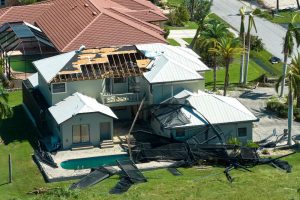
Rain enters through a roof opening created by wind. Hurricane winds remove part of a roof. Rain enters through the opening and damages the ceiling, walls, and flooring. Depending on the policy and the facts, the resulting interior damage may fall under wind or hurricane coverage.
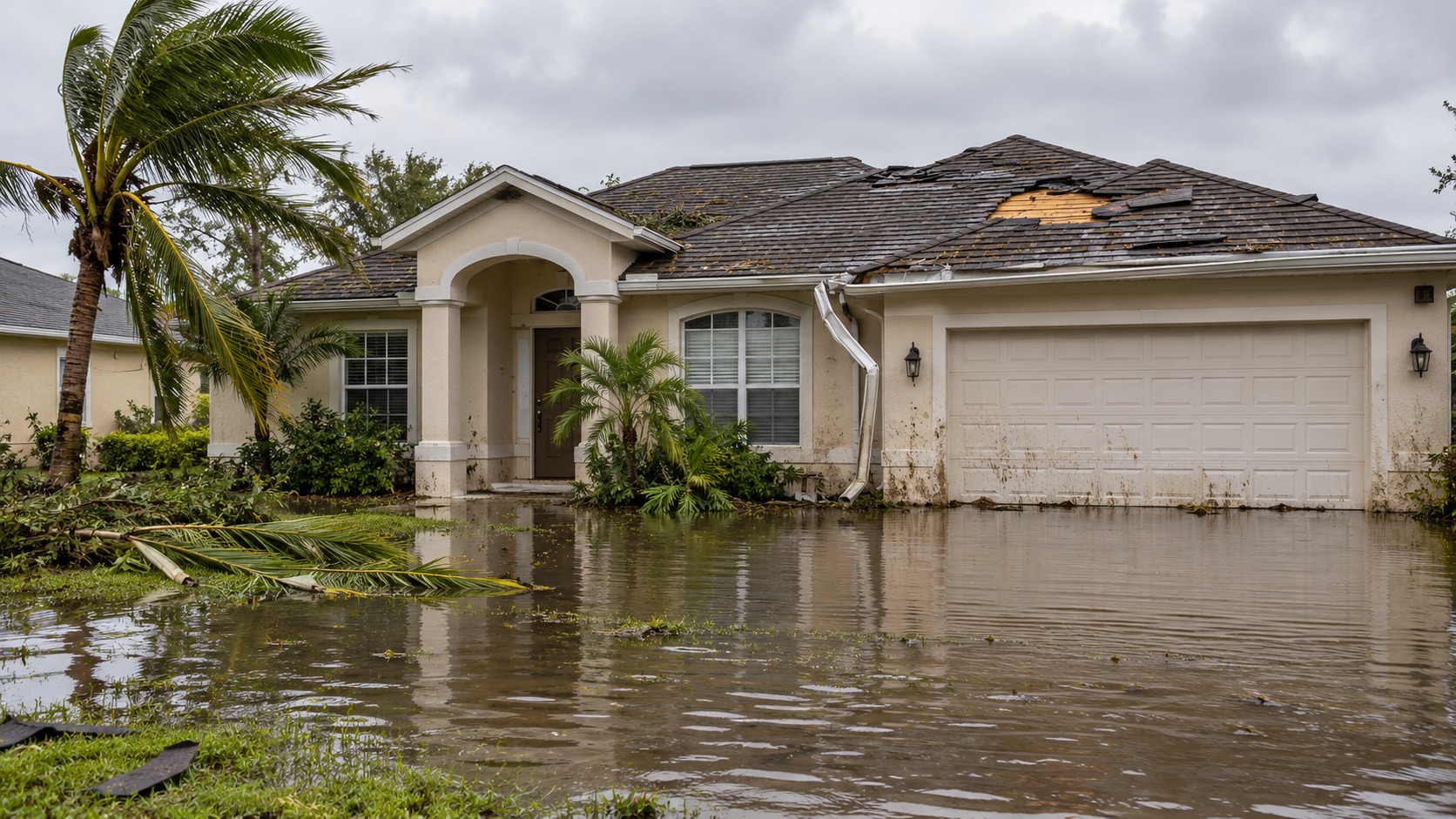
Storm surge enters at ground level. Coastal water rises during a hurricane and enters the home. Damage caused by that rising water is generally treated as flood damage. A separate flood policy or other applicable flood coverage may respond.
Is Wind Damage Covered by Florida Homeowners Insurance?
Wind damage can include missing roof shingles or tiles, broken windows, damage from windborne debris, and damage to siding or other exterior components.
Florida Statutes § 627.4025 defines hurricane coverage for residential policies as coverage for loss or damage caused by windstorm during a hurricane. The definition includes certain interior rain damage when the direct force of the windstorm first damages the building and creates the opening through which the rain enters. Whether coverage applies to a particular loss depends on the policy and the facts.
Under Florida Statutes § 627.712, insurers issuing residential property policies generally must provide windstorm coverage, subject to statutory exceptions. Policyholders may also elect to exclude windstorm coverage when the statutory requirements are met. Citizens Property Insurance Corporation offers wind-only policies in certain areas of Florida for properties that meet its eligibility requirements.
Check your declarations page and policy documents to confirm whether wind coverage is included, excluded, or provided separately, and which deductible applies to a covered hurricane loss.
What Counts as Flood Damage?
Under a standard National Flood Insurance Program (NFIP) policy, one way flooding can qualify is when water temporarily covers at least two acres of normally dry land or at least two properties, including the insured property, and comes from a cause specified in the policy. Examples include the overflow of inland or tidal waters and the unusual and rapid accumulation or runoff of surface water.
After a hurricane, floodwater can come from storm surge, overflowing rivers or canals, or rapidly accumulating surface water. Wind can drive storm surge, but damage caused by the resulting floodwater is generally treated as flood damage.
Does Homeowners Insurance Cover Flood Damage?
Standard homeowners insurance generally excludes flood damage. Florida Statutes § 627.7011 requires insurers to place a prominent notice on the declarations page at issuance and renewal when a homeowners policy does not provide flood coverage. The notice explains that the policy does not cover flood damage even if hurricane winds and rain caused the flooding.
The Florida Department of Financial Services explains that flood coverage is available through the NFIP and the private market. Depending on what you purchased, flood coverage may be provided through a separate policy or an endorsement. Review the applicable limits, exclusions, and deductibles.
What Happens When a Home Has Both Wind and Flood Damage?
A home can sustain both wind and flood damage: high winds can damage the roof, while storm surge can flood the ground floor. Different policies may respond to different parts of the loss, and each policy may have its own deductible and claim requirements. Where the causes overlap, the policy language and the evidence help determine which damage is covered.
Roof openings, interior staining, waterlines, and debris marks can help establish where water entered. Inspection findings, weather records, and the sequence of events can also help distinguish damage that occurred at different points during the storm.
Report the loss promptly to each potentially applicable insurer. Giving notice to one insurer does not automatically give notice under another policy.
What Should You Do After Hurricane Damage?
- Document the damage once conditions are safe. Take wide photographs and close-ups of visible roof and exterior damage, broken windows or doors, interior staining, and waterlines. Photograph from a safe location and document conditions before significant cleanup when possible.
- Take reasonable steps to prevent further damage. Preserve important evidence when it is safe to do so, and keep receipts for emergency repairs and other storm expenses.
- Describe what you observed. When reporting the loss, explain where and when water entered, if you know. The presence of water alone does not establish what caused the damage.
- Keep records for each claim. Save photographs, estimates, inspection findings, correspondence, and payment documents.
For a broader checklist, see our Florida hurricane claim documentation guide.
Questions About a Florida Hurricane Claim?
If your insurer disputes whether wind and flood damage came from separate causes, which policy applies, or how much of the loss is covered, review the insurer’s written explanation alongside the policy and the evidence from the property.
At Tighe P.A., we represent Florida property owners in disputed property insurance claims. Visit our Property Insurance Claims page or call 1-855-LOSS-PRO (567-7776) to request a consultation.
This article is for general informational purposes only and is not legal advice. Insurance coverage, exclusions, deductibles, and claim obligations depend on the applicable policy and the facts of each loss. Florida law may change.
You May Also Like:
- The Clock is Ticking: Ensure Your Claims are Filed Before the Two-Year Deadline for Hurricane Ian
- After the Storm: How Mariner Sands and Stuart Homeowners Are Fighting for Fair Insurance Payouts
- The Storm Passed. But Six Months Later, Palm Beach Families Are Still Fighting Their Insurers.
- Insurers Say “We’ll Fix It” — But Right to Repair Could Cost You Thousands