What Florida homeowners should photograph, record, and save before and after a hurricane
For Florida homeowners, preparing for a hurricane involves more than securing the property. It also means creating a clear record of the home’s condition before a storm and documenting any damage afterward.
Photos, videos, receipts, inventories, and insurance records can provide important information during a property insurance claim. They can help show what the property looked like before the loss, what changed after the storm, and what expenses were incurred during the recovery process.
The Florida Department of Financial Services recommends maintaining a home inventory that includes records such as receipts, photographs, videos, purchase dates, and serial numbers. After a loss, the Department also advises homeowners to document damage and repairs with receipts, photographs, or video.
The objective is straightforward: document the property’s condition before the storm, preserve evidence of damage afterward, and maintain a clear record throughout the claim.
What Should You Document Before a Hurricane?
Good claim documentation begins before there is a loss.
Creating an up-to-date record of the home and its contents can provide useful evidence of the property’s pre-storm condition.
Photograph and Record the Property
When it is safe to do so, take current photographs or video of the interior and exterior of the home.
Consider documenting:
- The exterior of the home from several angles.
- The roof from a safe location at ground level.
- Windows and exterior doors.
- Garage doors.
- Gutters and exterior components.
- Fences, screened enclosures, and other structures.
- Interior walls, ceilings, and flooring.
- Major appliances.
- Furniture and electronics.
- Other significant personal property.
Use both wide photographs that show the overall condition of an area and closer photographs when additional detail is useful.
Do not climb onto a roof or enter an unsafe location simply to obtain documentation.
Create or Update a Home Inventory
A home inventory can make it easier to identify personal property that is later damaged or destroyed.
The Florida Department of Financial Services recommends including receipts, photographs, videos, purchase dates, and serial numbers when preparing an inventory.
Depending on the property, consider recording:
- A description of the item.
- Brand and model.
- Serial number.
- Approximate purchase date.
- Purchase price, if known.
- Photographs or videos.
- Receipts or other proof of purchase when available.
Keep a copy of the inventory somewhere it will remain accessible if the home is damaged. An electronic backup can also help if paper records are lost or inaccessible after a storm.
Keep Your Insurance Information Accessible
Homeowners should also know how to reach their insurance company after a loss.
Before a hurricane, keep accessible copies of:
- The complete insurance policy.
- The declarations page.
- Policy endorsements.
- The policy number.
- The insurer’s claims contact information.
- The insurance agent’s contact information.
Review the policy before a storm when possible. Coverage, deductibles, exclusions, reporting requirements, and duties after a loss can differ from one policy to another.
What Should You Document After a Hurricane?
Safety comes first after a hurricane.
Do not enter an unsafe structure, approach downed power lines, walk through hazardous floodwater, or climb onto a damaged roof solely to take photographs.
Once it is safe to inspect the property, document the damage before significant cleanup or repairs begin whenever possible.
The Florida Department of Financial Services advises homeowners to photograph or record storm damage and share that information with the insurance company’s adjuster.
Document Both the Overall Damage and the Details
Take photographs and videos that provide context as well as detail.
Depending on the damage, document:
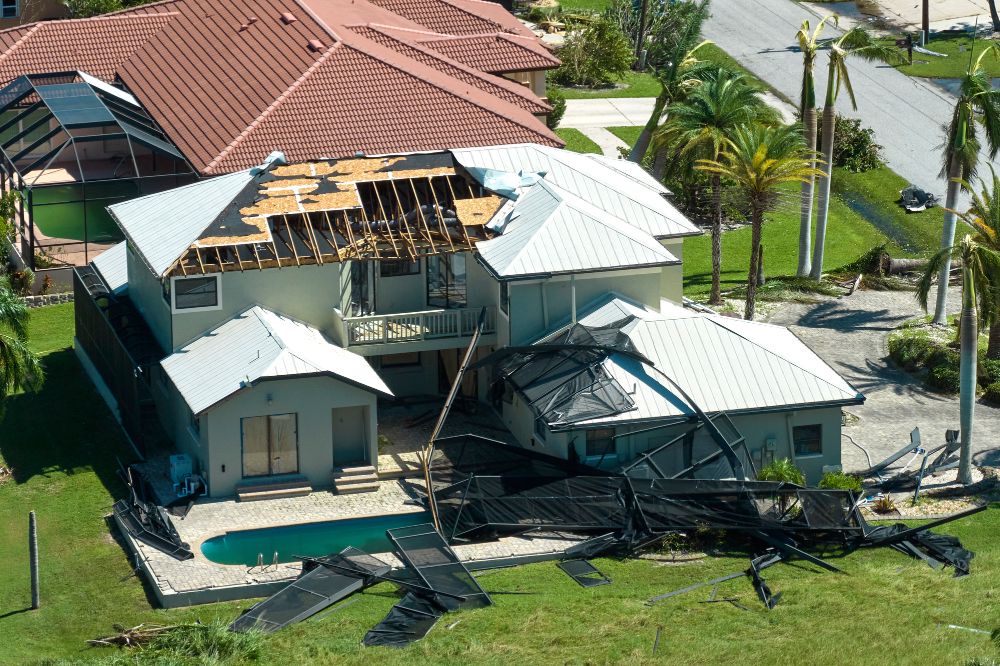
- Missing, lifted, cracked, or displaced roofing materials visible from a safe location.
- Broken windows or doors.
- Damaged gutters and exterior components.
- Fallen trees or debris.
- Water staining on walls or ceilings.
- Wet flooring, drywall, insulation, or cabinetry.
- Damaged appliances, furniture, and electronics.
- Damaged personal property.
- Areas where water entered the home.
Several photographs from different angles can provide a more complete record than a single close-up image.
Document Damage Before Temporary Repairs
Review the policy’s duties after a loss and take reasonable steps to prevent additional damage when it is safe to do so. Temporary measures may include placing a tarp over a damaged roof area or covering a broken window.
Before making temporary repairs, photograph or video the damage when it is safe to do so. The Florida Department of Financial Services also recommends documenting repairs and keeping receipts, photos, or video.
It can also be helpful to photograph the area after the temporary repair is completed.
Before permanent repairs begin, review the policy and coordinate with the insurer when practicable so the damage can be properly documented and inspected.
Do Not Discard Damaged Property Too Quickly
Damaged property may be important to the insurer’s evaluation of a claim.
Florida’s Office of the Insurance Consumer Advocate recommends keeping damaged items, when safe, so the adjuster has an opportunity to inspect them.
If an item creates a health or safety concern and must be discarded, photograph or video it first.
For damaged personal property, record:
- What the item is.
- Where it was located.
- How it was damaged.
- Its approximate age.
- Its original cost, if known.
- Photographs or video showing the damage.
Keep receipts or other supporting records when available.
Save Receipts for Storm-Related Expenses
A hurricane can create expenses beyond repairing physical damage to the home.
Keep an organized record of storm-related expenses, which may include:
- Emergency repair materials and services.
- Water removal or drying services.
- Temporary lodging.
- Storage.
- Other additional living expenses.
- Other out-of-pocket expenses related to the loss.
The Office of the Insurance Consumer Advocate recommends keeping receipts for additional living expenses and other out-of-pocket costs that may be covered by the policy.
Whether a particular expense is reimbursable depends on the policy and the circumstances of the claim.
Keep a Record of Communications With the Insurance Company
Once the claim is reported, maintain a claim file.
Consider keeping:
- The claim number.
- The date the claim was reported.
- The assigned adjuster’s name and contact information.
- Dates of inspections.
- Copies of emails and letters.
- Documents provided to the insurer.
- Estimates.
- Receipts.
- Photographs and videos.
- Notes from telephone conversations.
- Coverage letters and payment correspondence.
For documents submitted electronically, retain confirmation of when they were sent or received when available.
For residential property claims, section 627.70131, Florida Statutes, generally requires the insurer to review and acknowledge a claim-related communication within seven calendar days, subject to statutory exceptions.
Report Property Damage Promptly
Documenting damage should not delay reporting the claim.
The Florida Department of Financial Services advises policyholders to report property damage to their insurer or insurance agent as soon as possible.
Florida law also establishes deadlines for giving notice of property insurance claims.
Under section 627.70132, Florida Statutes, an initial claim or reopened claim is generally barred unless notice is provided to the insurer within one year after the date of loss. A supplemental claim is generally barred unless notice is provided within 18 months after the date of loss.
For claims resulting from hurricanes, tornadoes, windstorms, severe rain, or other weather-related events, Florida law contains specific rules for determining the date of loss.
These are statutory deadlines. A policy may also contain requirements concerning prompt notice and other duties after a loss.
Documentation Helps Establish the Facts, but It Does Not Determine Coverage or Payment
Photos, videos, receipts, inventories, and other records can help establish the condition and extent of property damage. They do not, by themselves, determine whether a loss is covered or how much may be payable under the policy.
Coverage and payment can depend on:
- The cause of the damage.
- The language of the policy.
- Applicable exclusions or limitations.
- Deductibles.
- Endorsements.
- The property’s pre-loss condition.
- The type of property damaged.
- Compliance with policy conditions.
A hurricane can also produce more than one type of property damage. Homeowners should not assume that every form of hurricane-related damage is covered under the same insurance policy.
Florida Hurricane Claim Documentation Checklist
Before the Storm
- Photograph or video the home’s interior and exterior.
- Create or update a home inventory.
- Document significant personal property.
- Save receipts or ownership records when available.
- Keep copies of the policy and declarations page.
- Save the insurer’s and agent’s contact information.
- Back up important records.
After the Storm
- Prioritize personal safety.
- Photograph and video damage before cleanup when possible.
- Take both wide photographs and close-ups.
- Document temporary repairs.
- Keep receipts for emergency repairs and materials.
- Inventory damaged personal property.
- Keep damaged items when it is safe to do so.
- Document items that must be discarded for safety reasons.
- Track temporary living and other storm-related expenses.
- Keep copies of communications with the insurer.
- Record the claim number and adjuster’s information.
- Report the loss promptly.
Keep the Claim File Organized
A property insurance claim can generate documents over several weeks or months.
A simple filing system can make important information easier to locate. Consider separate folders for:
- Insurance policy documents.
- Pre-storm photographs and videos.
- Post-storm photographs and videos.
- Damaged-property inventories.
- Repair estimates and contracts.
- Receipts and expenses.
- Insurance company correspondence.
- Claim estimates and payments.
The goal is to preserve a reliable record of the property’s condition, the damage caused by the storm, and the expenses associated with the loss.
Questions About a Florida Property Insurance Claim?
Every hurricane claim depends on the facts of the loss and the language of the applicable insurance policy.
If there is a dispute about coverage, the scope of damage, an insurance company’s estimate, a partial payment, or a denied claim, the policy and supporting documentation should be reviewed carefully.
Tighe P.A. represents Florida property owners in disputed property insurance claims. Visit our property insurance claims page or call 1-855-LOSS-PRO (567-7776) to request a consultation.
This article is provided for general informational purposes only and is not legal advice. Insurance coverage, claim obligations, and available benefits depend on the applicable policy and the facts of each loss. Florida law may change.
You May Also Like:
- The Clock is Ticking: Ensure Your Claims are Filed Before the Two-Year Deadline for Hurricane Ian
- The Truth About Tile Roof Repairs and Insurance Claims: What Homeowners Need to Know
- After the Storm: How Mariner Sands and Stuart Homeowners Are Fighting for Fair Insurance Payouts
- Florida’s 15-Year Roof Rule: What Homeowners Should Know